Industrial Fence In Nashville, TN
An industrial fence in Nashville, TN, must organize more than the outside property line. Fence One Install plans facility boundaries around equipment yards, loading areas, vehicle routes, employee access, utility zones, storage compounds, and the operational risks found across active industrial properties.
Keep Structured Planning For Industrial Zones
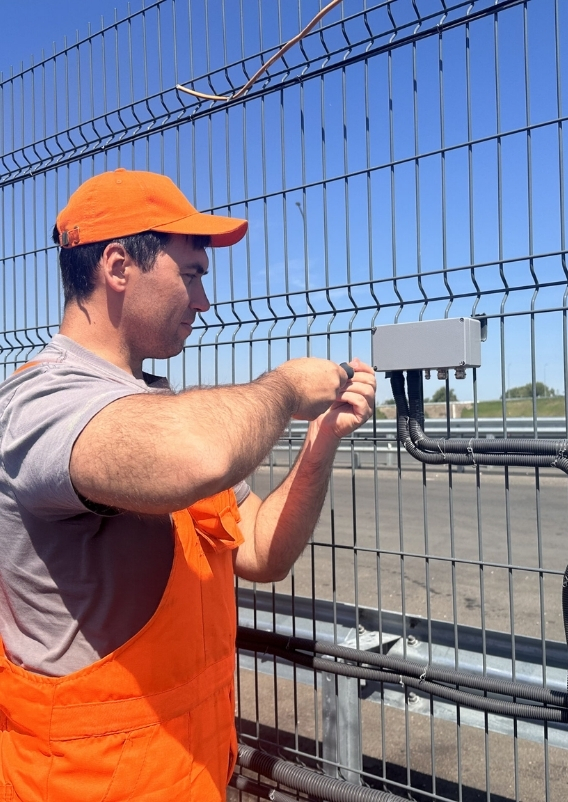
An effective industrial fence should guide movement and distinguish areas with different access requirements. Before recommending materials, our team reviews loading patterns, machinery exposure, warehouse traffic, emergency routes, storage areas, and employee walkways. The resulting industrial barrier supports safer circulation while maintaining the access needed for production, deliveries, maintenance, and daily facility operations.
Traffic Separation
Fence lines can separate pedestrian routes from forklifts, trucks, fleet vehicles, and active loading areas.
Equipment Control
Enclosures help restrict access around machinery, utilities, stored materials, and high-value operational assets.
Loading Access
Gate widths and locations are coordinated with trailers, delivery schedules, turning space, and dock activity.
Safety Zoning
Industrial safety fencing defines hazardous, restricted, or process-sensitive areas within the working property.
Ten Years Of Fence Planning For Active Commercial Properties
Fence One Install is a licensed contractor with 10 years of experience completing residential and commercial fencing projects throughout Middle Tennessee. Every industrial fence in Nashville, TN, is evaluated according to facility activity, vehicle frequency, access points, ground conditions, equipment exposure, and the durability required across heavily used sections.
- Facilities Divided By Operational Need
- Licensed Contractor Serving Middle Tennessee
- Ten Years Of Installation Experience
- Gates Planned For Industrial Traffic
Bring Structure To A Complex Working Property
Create clearer routes, controlled work zones, and stronger warehouse security with fencing planned around the way your industrial facility operates each day.
Design Every Fence Section Around The Activity Beside It
A warehouse boundary, machinery enclosure, employee walkway, and fleet entrance should not rely on identical construction. Fence One Install considers impact exposure, gate cycles, visibility, panel strength, and maintenance access before selecting each section. Facilities comparing commercial security fencing with broader industrial systems receive recommendations based on operational risks, not generic perimeter assumptions.
Zone Assessment
We identify loading areas, equipment compounds, restricted processes, employee routes, and high-traffic intersections.
Material Matching
Industrial chain link fencing, steel panels, and aluminum systems are compared according to each zone’s demands.
Gate Capacity
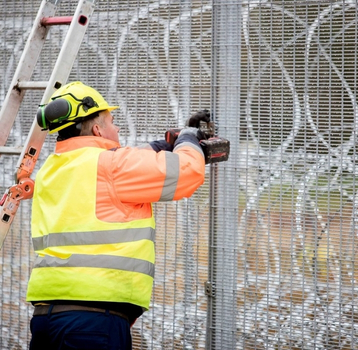
Gate structures are planned around vehicle width, frequency, weight, automation, clearance, and turning movement.
Impact Planning
Heavy-duty fencing can reinforce exposed corners and active areas where accidental contact is more likely.
You Can See Our Fencing Work!
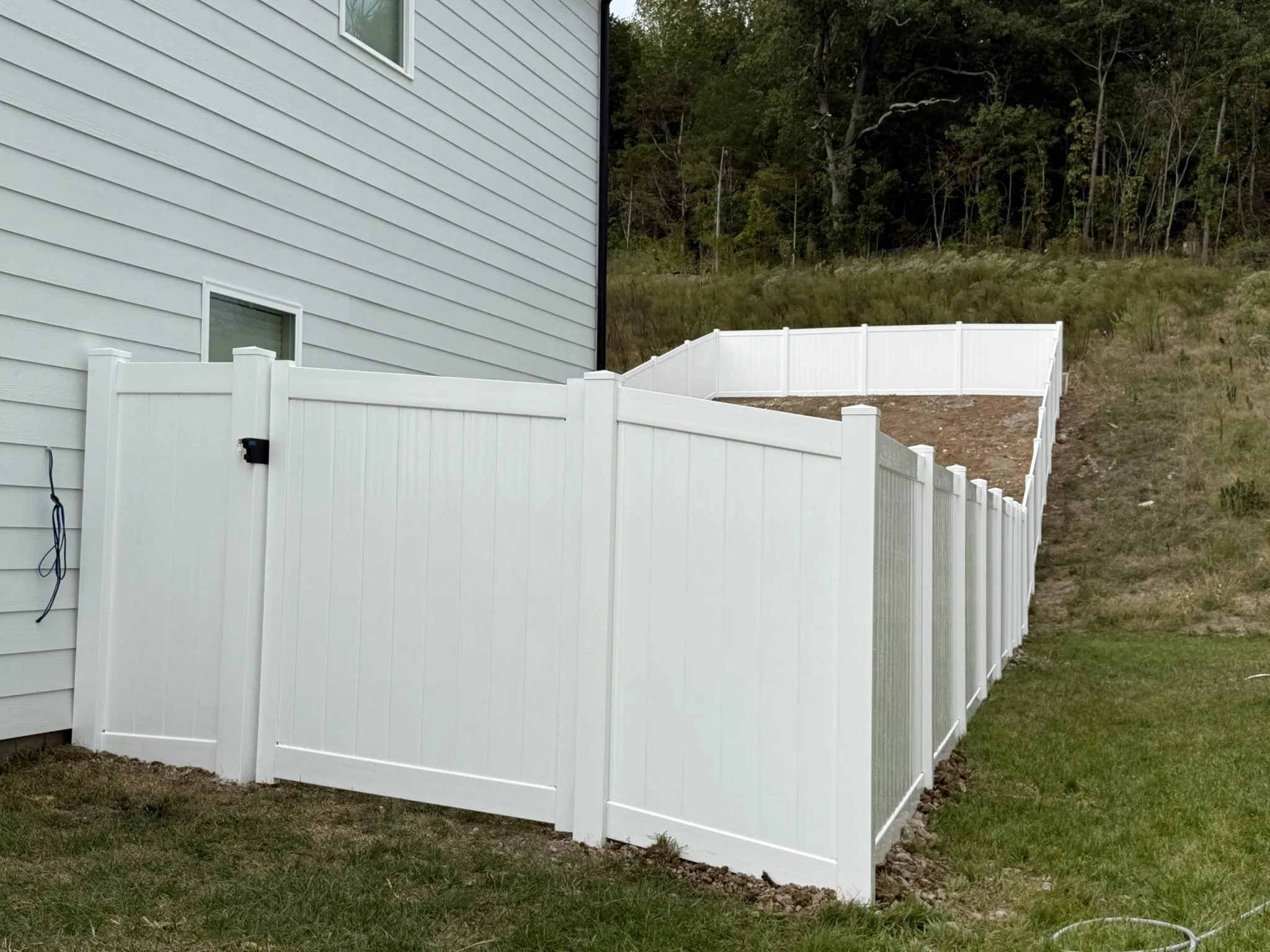
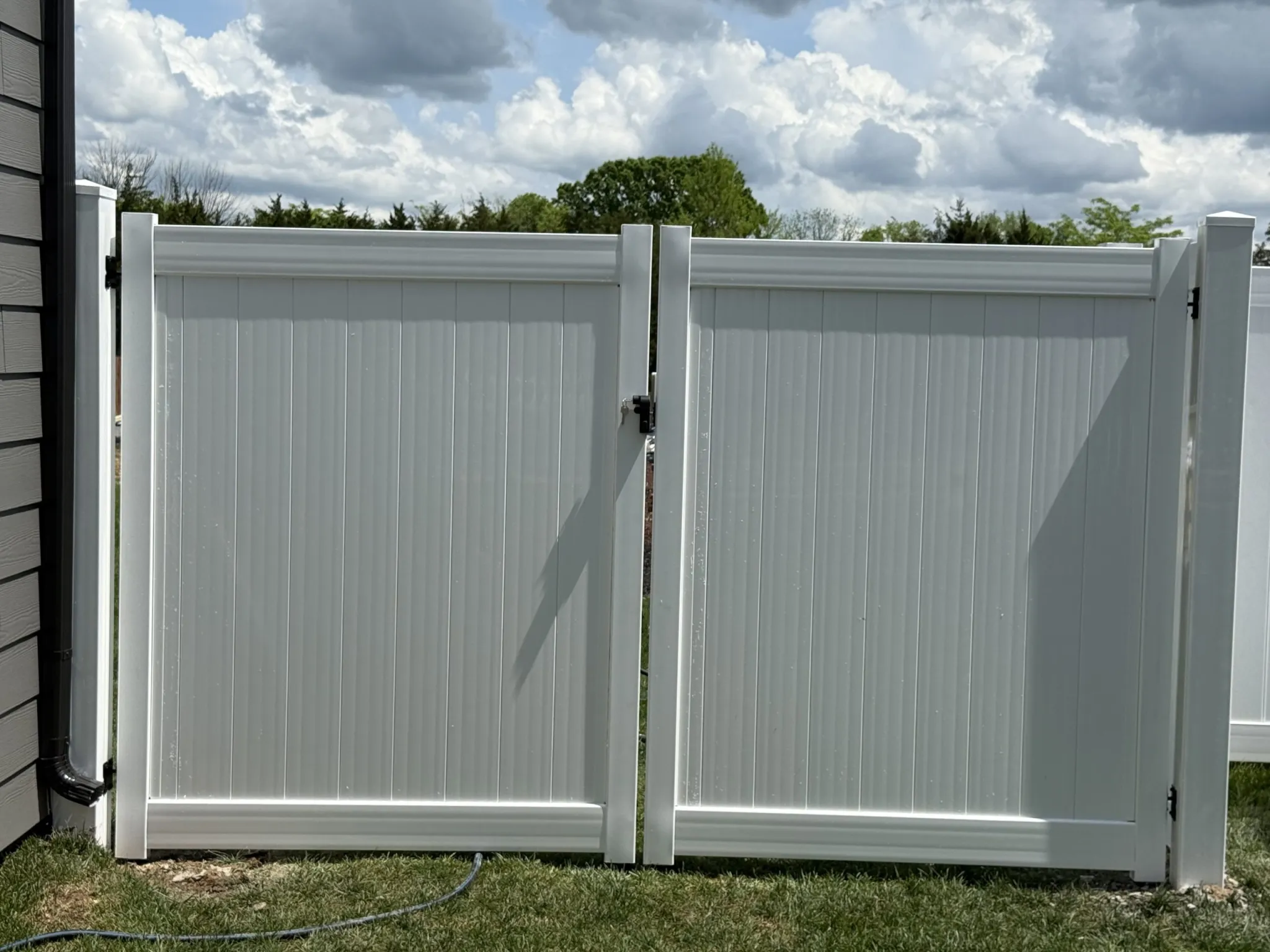
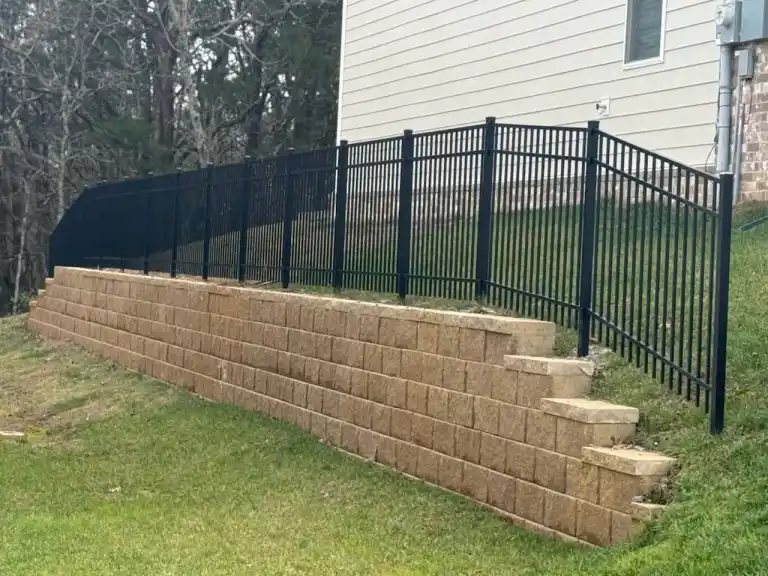
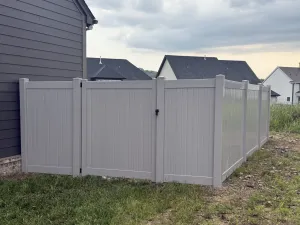
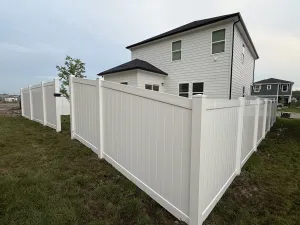
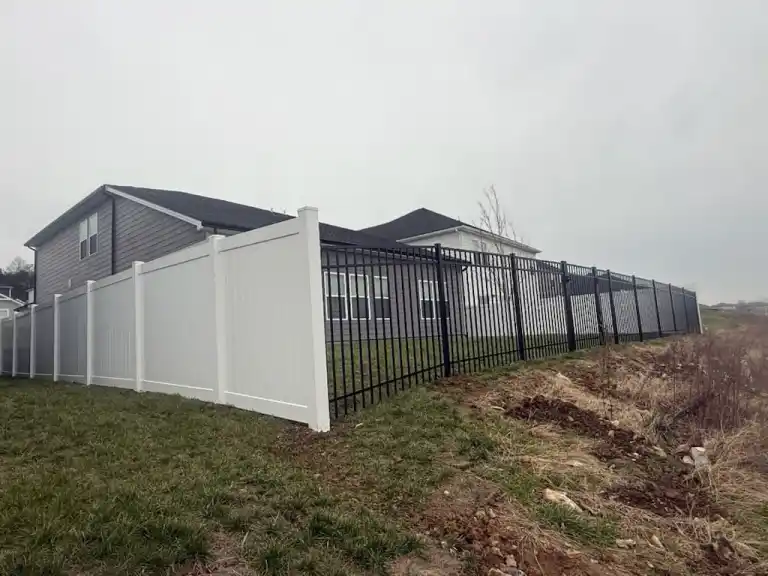
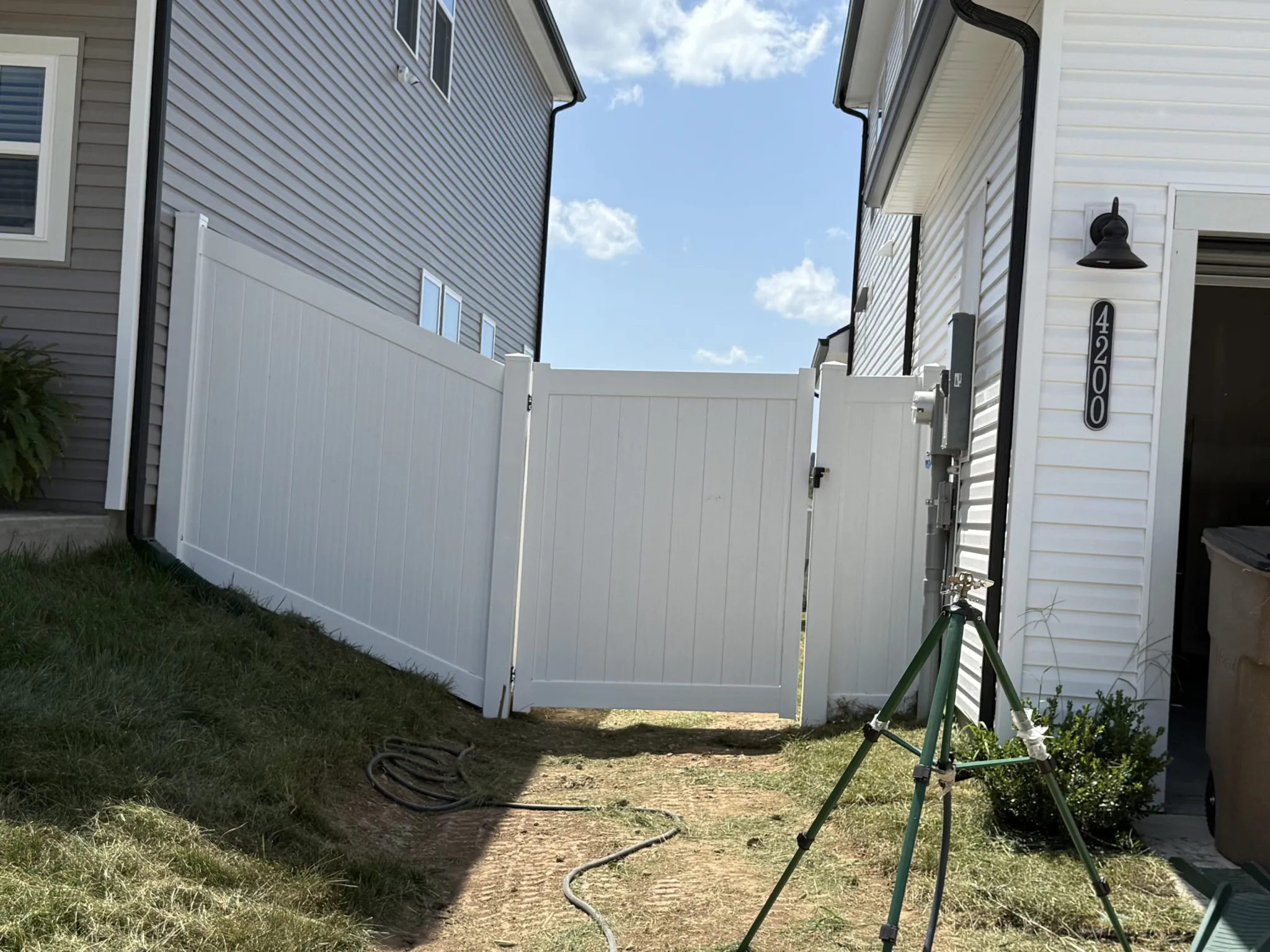
Explore completed fencing projects that reflect thoughtful layouts, precise installation, clean transitions, functional gates, and materials selected around each property. These show how careful planning and hands-on workmanship come together across residential, commercial, repair, and replacement projects.














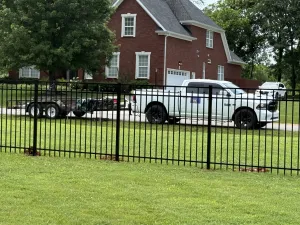

See How Strategic Fencing Supports Facility Operations
A planned facility perimeter can do more than surround the site. It may direct visitors toward approved entrances, separate employees from moving vehicles, protect equipment compounds, and make restricted areas easier to identify.
Trustindex verifies that the original source of the review is Google. The fence was completed 3 days after we put our deposit down. It looks fantastic !! Friendly service and excellent work. On top of that we got a total of 4 quotes and this company was the cheapest by almost $1,000. 100% would recommend.Trustindex verifies that the original source of the review is Google. Leo and his team did an amazing job! From the communication to the execution of the install itself! Leo worked with me and provided a Plot plan for my HOA approval, I couldn't ask for a better service!Trustindex verifies that the original source of the review is Google. I am very happy with the look of my new fence, at a low cost too. I highly recommend Fence One Install.Trustindex verifies that the original source of the review is Google. Leo and his team are amazing. From start to finish they helped and answered with any questions we had. Very professional and understanding.Trustindex verifies that the original source of the review is Google. We had an excellent experience with Fence One Install from start to finish. The team was professional, punctual, and did outstanding work. We highly recommend them to anyone looking for reliable service and beautiful results!Trustindex verifies that the original source of the review is Google. Leo does an excellent job! He is very honest, professional, and reliable. He always keeps his appointments and completes the work on time as promised. I highly recommend him to anyone looking for quality service and someone they can trust.Trustindex verifies that the original source of the review is Google. Excelente trabajo recomendado, por su responsabilidad y rapidez.Trustindex verifies that the original source of the review is Google. Great Job on installing my fence and Looks great Go ahead and Let Fence one install get started will be very HappyTrustindex verifies that the original source of the review is Google. Awesome job Leo and team!! You guys rock! And did it in 1 day at a great price! Even had to stop for a thunderstorm.Wow!Trustindex verifies that the original source of the review is Google. We recently had a white vinyl privacy fence installed by Fence One, and the entire experience was outstanding. From the very beginning, their team was incredibly communicative—keeping us informed at every step and promptly answering all of our questions. Their pricing was very reasonable compared to others we considered, and there were no surprises along the way. What really stood out was their professionalism and efficiency—they showed up on time, worked diligently, and completed the project exactly as promised. The final result looks fantastic and has completely transformed our yard. I highly recommend Fence One to anyone looking for quality work, great communication, and reliable service.
Frequently Asked Questions
What is the difference between industrial and standard commercial fencing?
Industrial fencing is generally planned for heavier traffic, larger gates, equipment exposure, restricted processes, and more demanding operating conditions. Standard commercial fencing may mainly define a business boundary. Industrial projects often require stronger posts, reinforced entrances, specialized materials, and zoning within the property.
Is industrial chain link fencing suitable for warehouse security?
Industrial chain link fencing can support warehouse security by defining large perimeters while preserving visibility across loading areas, storage yards, and fleet zones. Its effectiveness depends on mesh, height, framework, gates, and access controls. Higher-risk areas may also require security fence installation.
When should an industrial facility use steel fencing?
Steel fence installation may be appropriate around high-use gates, exposed equipment areas, restricted zones, or sections requiring greater structural strength. The decision should consider impact risk, panel weight, corrosion protection, visibility, maintenance, and whether the fence must support repeated industrial traffic.
Where can an industrial aluminum fence be used effectively?
An industrial aluminum fence may suit administrative entrances, landscaped boundaries, employee areas, or visible sections where lower weight and corrosion resistance matter. It is less appropriate for heavy-impact zones, so material selection should reflect the activity and risk at each fence section.
How does an industrial safety fence reduce workplace risk?
An industrial safety fence creates physical separation around machinery, utilities, loading zones, hazardous processes, or vehicle routes. It supports safer movement by making restricted areas easier to recognize. The design must still coordinate with training, signs, supervision, emergency access, and site-specific safety procedures.
Organize Your Industrial Property With Planned Fencing
Choose Fence One Install for an industrial fence in Nashville, TN, planned around equipment, warehouse traffic, controlled access, employee movement, and long-term operational demands.